

Canada’s Forests
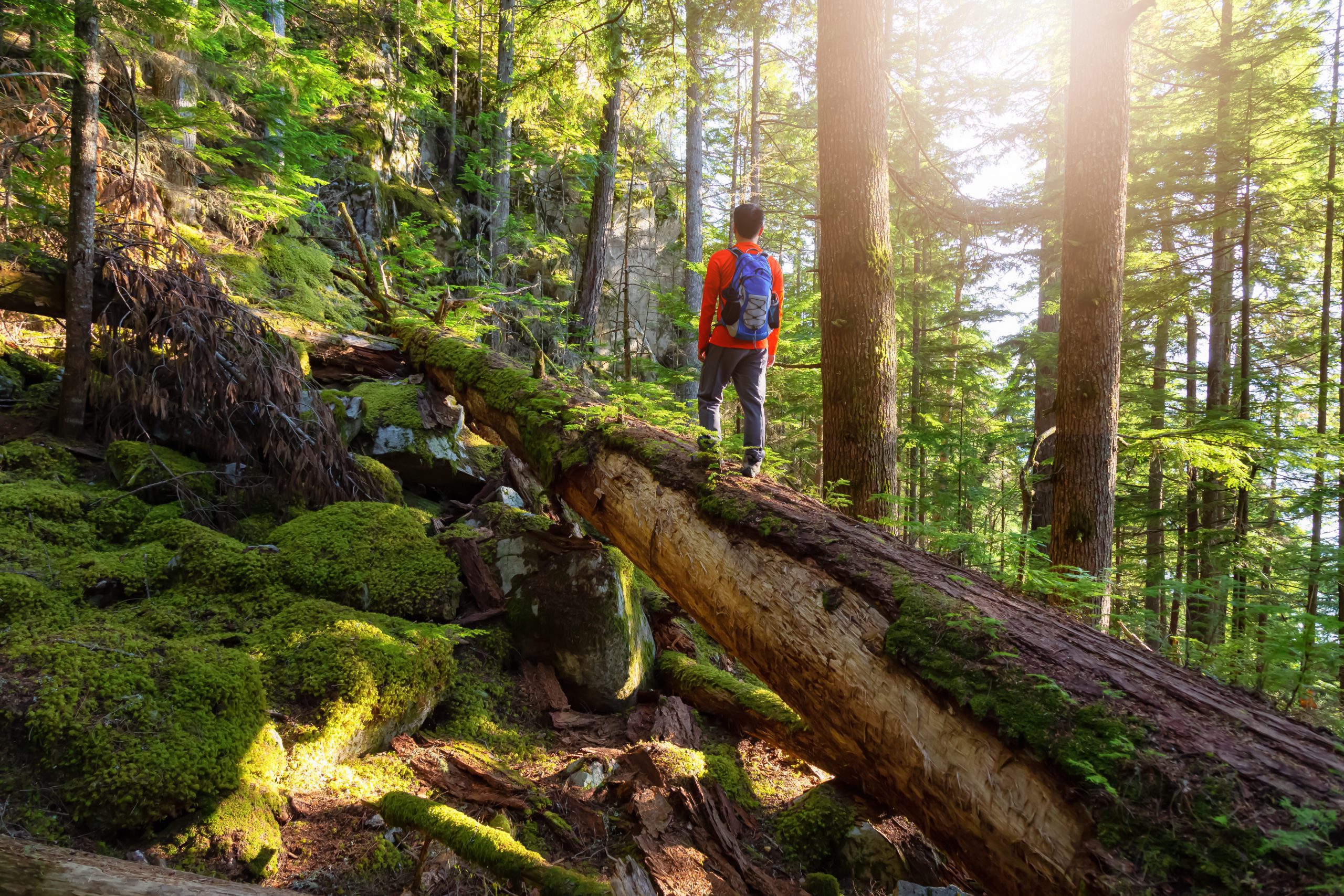
Canada’s forests are world renowned for their vastness, abundance, and majestic beauty. They have been a vital part of this country’s livelihood and history and continue to play a central role in shaping the cultural, spiritual, recreational, and economic pursuits of Canadians.
Healthy Forests
Forests in Canada are sustainably managed for a variety of economic, ecological, and social benefits for both current and future generations...

Climate Conscious
Forests have been the backbone of Canada’s economy for generations and will continue to be central to meeting climate change goals…
Canadians and Communities
Forests and forest resources are integral to Canadian life and participation in decisions relating to forest use and management is key to their well-being…
Launching a new Forest Vision for Canada
Inspired by input from people across the country, the CCFM has developed A Shared Vision for Forests in Canada: Toward 2030.
Recent Releases
FEATURED REPORT
A Shared Vision for Forests in Canada: Toward 2030
Sustainable forest management is a way of caring for forests to maintain their benefits over time. In Canada, sustainable forest management decisions and activities are based on scientific research, rigorous planning processes and public consultation.
